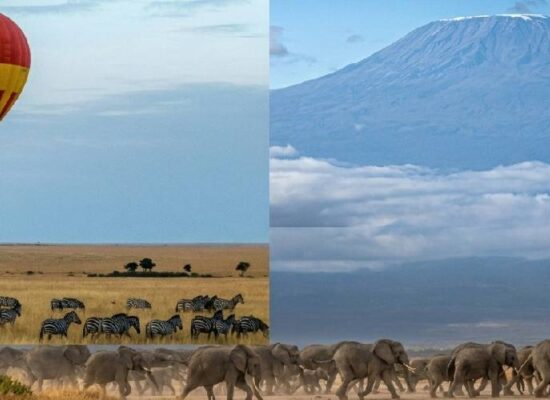
Rising to 5,895 meters (19,341 feet) above sea level, Mount Kilimanjaro is the highest peak in Africa and one of the most sought-after trekking destinations in the world. Although it is considered a non-technical climb requiring no mountaineering skills, Kilimanjaro presents a serious physiological challenge: high altitude. The primary danger on the mountain is not steep terrain or extreme cold, but reduced oxygen availability. Understanding mountain sickness—particularly altitude-related oedemas—and the critical importance of acclimatization is essential for a safe and successful ascent.
As altitude increases, atmospheric pressure decreases. While the percentage of oxygen in the air remains the same, the amount of oxygen delivered to the body with each breath drops significantly. This condition, known as hypoxia, forces the body to adapt. If ascent is too rapid and the body does not have adequate time to adjust, altitude illnesses can develop. On Kilimanjaro, many routes gain substantial elevation within just a few days, making proper pacing and itinerary selection crucial.
Acute Mountain Sickness (AMS)
Acute Mountain Sickness (AMS) is the most common altitude illness experienced on Mount Kilimanjaro. It typically occurs above 2,500 meters and can develop within hours of gaining elevation. AMS is essentially the body’s early warning system that it is not adapting well to reduced oxygen levels.
Symptoms often begin with a persistent headache and may include nausea, dizziness, fatigue, loss of appetite, and difficulty sleeping. While mild AMS is common and usually manageable, it should never be ignored. Continuing to ascend while symptomatic significantly increases the risk of more severe and life-threatening conditions.
The appropriate response to AMS is simple but critical: do not ascend further until symptoms improve. Rest, hydration, and proper nutrition are essential. In some cases, acetazolamide (Diamox), prescribed by a medical professional, can assist the acclimatization process. If symptoms worsen rather than improve, descent becomes necessary.

High Altitude Pulmonary Oedema (HAPE)
High Altitude Pulmonary Oedema (HAPE) is a severe and potentially fatal condition in which fluid accumulates in the lungs. Unlike AMS, HAPE can develop rapidly and may occur even in individuals who previously felt well.
At high altitude, low oxygen levels cause uneven constriction of blood vessels in the lungs. This increases pressure in parts of the pulmonary circulation, forcing fluid to leak from capillaries into the air sacs (alveoli). As fluid fills these air spaces, oxygen exchange becomes increasingly impaired.
Early symptoms include unusual breathlessness during exertion, reduced physical performance, and a dry cough. As the condition progresses, climbers may experience shortness of breath even at rest, chest tightness, a wet or gurgling cough sometimes producing pink frothy sputum, extreme fatigue, and a rapid heartbeat. In advanced stages, lips or fingernails may develop a bluish tint due to dangerously low oxygen levels.
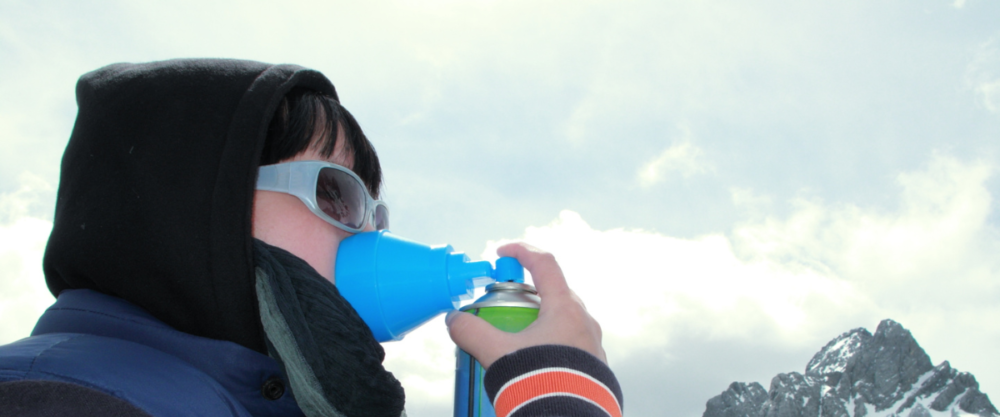
HAPE is a medical emergency. The only definitive treatment is immediate descent to a lower altitude. Supplemental oxygen, if available, can stabilize the individual during evacuation, but it does not replace descent. Without prompt action, HAPE can become fatal within hours.
High Altitude Cerebral Oedema (HACE)
High Altitude Cerebral Oedema (HACE) is the most severe form of altitude illness and represents swelling of the brain due to fluid leakage. It is often considered an advanced progression of untreated or worsening AMS.
Low oxygen levels increase blood flow to the brain and can disrupt the integrity of the blood-brain barrier, allowing fluid to leak into brain tissue. This leads to increased pressure inside the skull, which can rapidly impair brain function.
Early signs of HACE may resemble severe AMS, including intense headache, nausea, and profound fatigue. However, neurological symptoms soon appear. These may include confusion, poor coordination (ataxia), slurred speech, irrational behavior, hallucinations, and eventually loss of consciousness. A simple field indicator is difficulty walking in a straight line heel-to-toe; loss of coordination strongly suggests brain involvement.
Like HAPE, HACE is life-threatening and demands immediate descent without delay. Oxygen and urgent medical care are critical. Delaying action in hopes that symptoms will improve can have fatal consequences.
Why Oedemas Develop on Kilimanjaro
The primary risk factor for both HAPE and HACE on Kilimanjaro is rapid ascent. Many climbers choose shorter itineraries of five or six days, which do not allow sufficient time for physiological adaptation. Even strong, physically fit individuals are vulnerable; altitude illness is not a matter of fitness, but of how the body responds to hypoxia.
When ascent outpaces the body’s ability to acclimatize, fluid balance and vascular pressures can become unstable, leading to leakage into lung or brain tissues. Proper acclimatization dramatically reduces this risk.
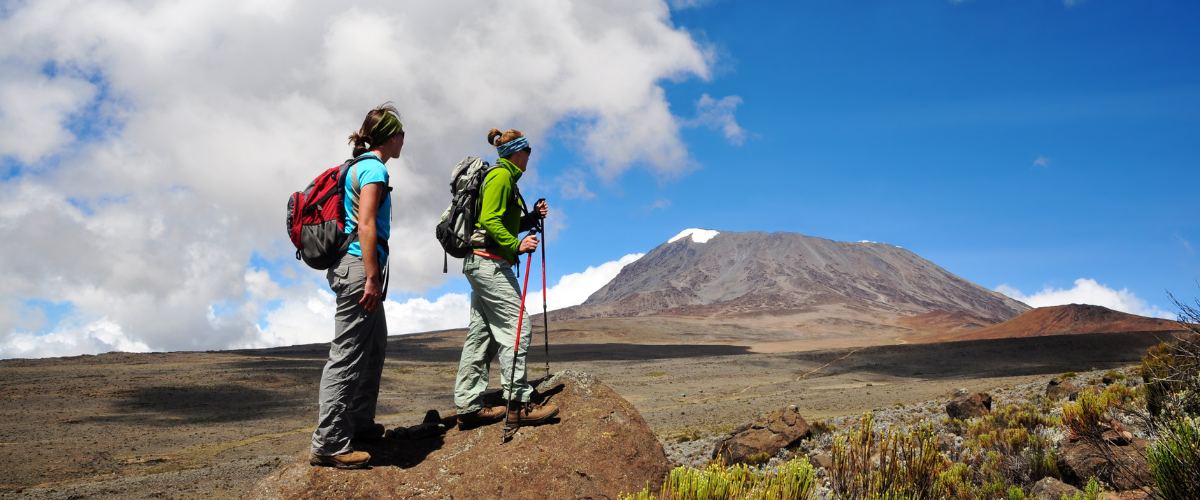
Why Acclimatization Is the Key to Safety and Success
Acclimatization is the body’s natural adjustment to lower oxygen levels. Over time, breathing becomes deeper and more efficient, heart rate adjusts, and the body increases red blood cell production to improve oxygen delivery to tissues. These adaptations require time—something that cannot be rushed.
The guiding principle on Kilimanjaro is often summarized as “climb high, sleep low.” Gradual altitude gain, combined with rest days, allows the body to adapt progressively. Longer routes of seven to nine days consistently show higher summit success rates and lower incidence of severe altitude illness compared to shorter climbs.
Moving slowly is equally important. The common phrase used by Tanzanian guides—“pole pole,” meaning “slowly, slowly”—reflects sound physiological wisdom. Hydration also plays a supportive role, as dehydration can worsen symptoms of AMS and strain the body further. Maintaining adequate nutrition, avoiding alcohol and sedatives, and carefully monitoring symptoms all contribute to safer acclimatization.
Our Daily Health & Safety Monitoring on Mount Kilimanjaro
At Amet Adventures, your safety is our absolute priority. While proper packing and preparation are essential, daily health monitoring during your Mount Kilimanjaro climb plays an even more important role in ensuring a safe and successful summit. From the first day on the mountain, our certified and highly experienced guides carefully observe each climber’s condition, pace, and overall wellbeing.
Every day, we conduct structured health checks—typically twice daily, in the morning before setting out and again in the evening upon arrival at camp. During these checks, we measure your oxygen saturation levels and pulse rate using a pulse oximeter. This quick and painless test helps us assess how well your body is acclimatizing to the altitude. In addition, our guides discuss how you are feeling and monitor for any early signs of altitude-related illnesses such as headache, nausea, dizziness, unusual fatigue, or shortness of breath.
We follow internationally recognized altitude assessment guidelines to ensure no symptom is overlooked. If any concerns arise, we respond immediately—whether that means adjusting your pace, recommending extra hydration and rest, modifying the itinerary where possible, or making the professional decision to descend. Our proactive approach to monitoring significantly reduces the risks associated with high altitude and allows us to act early, before minor symptoms can develop into serious conditions.Our daily health checks, combined with constant communication and expert guidance, ensure that your Kilimanjaro experience is not only unforgettable—but also safe and responsibly managed all the way.