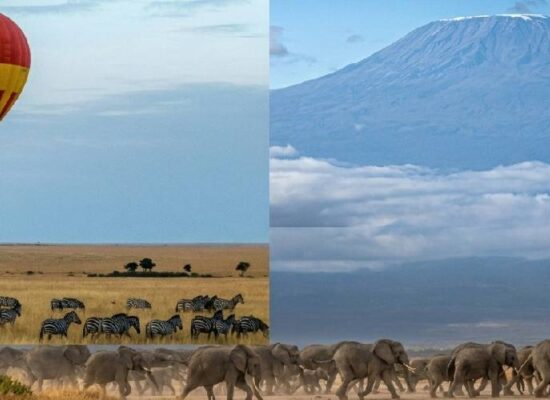
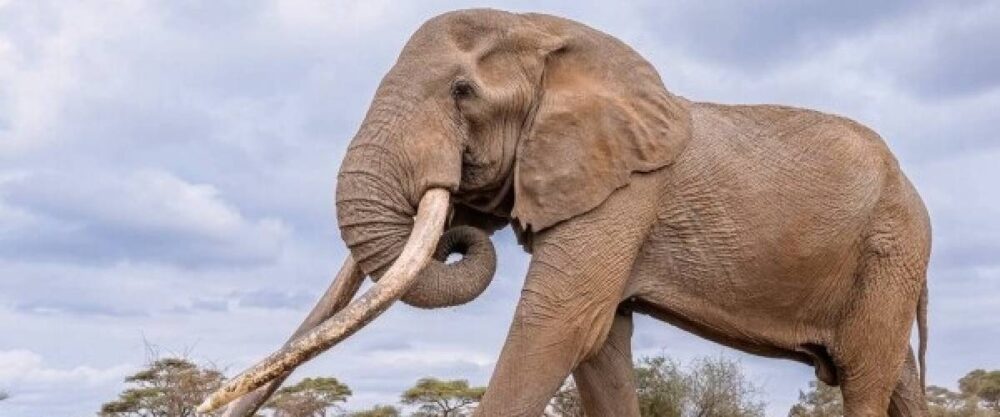
In the golden grasslands of Kenya’s Amboseli National Park, beneath the snow-capped peak of Mount Kilimanjaro, lived one of the most extraordinary African elephants ever documented. His name was Creg, sometimes mistakenly written as Greg in informal sources, and he became a legend not through force or spectacle, but through patience, wisdom, and quiet endurance.
Creg the elephant is remembered as one of the oldest and most iconic big tuskers ever recorded in the wild.
Quick Answers about Creg, the elephant
Who was Creg the elephant?
Creg was a legendary African elephant and big tusker who lived in Amboseli National Park, Kenya. Known for his enormous tusks and long life, he became a global symbol of elephant conservation.
Why was Creg the elephant famous?
Creg was famous because he was a rare big tusker who survived to old age despite decades of ivory poaching, making him a symbol of successful elephant conservation.
How did Craig the elephant die?
Craig, the legendary super tusker of Amboseli National Park, passed away on January 3, 2026, at the age of 54. His death was due to natural causes, with experts noting that severe tooth wear had likely made it difficult for him to eat properly in his later years.
A Life That Spanned Generations
Creg was estimated to be between 60 and 70 years old at the time of his death in 2026, an exceptional age for a wild African elephant. He was known for decades through the Amboseli Elephant Research Project, making him one of the longest-studied elephants in history.
Over his lifetime, Creg witnessed:
-
Shifting climate patterns
-
Increasing human pressure on wildlife habitats
-
The devastating loss of elephants to ivory poaching
Yet through it all, Creg endured.
His survival alone told a powerful story of resilience in a landscape that has become increasingly dangerous for elephants with large tusks.
The Power of Tusks — and the Weight of Time
Creg was a big tusker, a term reserved for elephants whose tusks are so massive they nearly touch the ground. Such elephants were once common across Africa, but decades of selective poaching have made them tragically rare.
Creg’s tusks were a living reminder of what African elephants looked like before ivory hunting altered their genetics forever.
Despite carrying tusks that would have made him a prime target, Creg lived out his life naturally within the protected ecosystem of Amboseli — a rare conservation success story.
A Gentle Presence Among Giants
Those who observed Creg consistently described him as calm, dignified, and unhurried. As an elder bull, he no longer competed with younger males. Instead, he moved slowly across the plains, feeding, resting, and interacting peacefully with other elephants.
In elephant society, older bulls like Creg serve an essential role. Their presence helps stabilize social behavior and provides younger elephants with ecological knowledge — from migration routes to seasonal water sources.
Creg was more than an individual.
He was a repository of memory.
Death, But Not Disappearance
When Creg died of natural causes, his loss was felt across the global conservation community — by researchers, photographers, safari guides, and wildlife lovers worldwide.
But Creg did not disappear.
He became a symbol of:
-
What elephants can become when allowed to live full lives
-
The importance of long-term scientific research
-
The urgent need to protect remaining big tuskers
Even in death, Creg nourished the land he had walked for decades — completing the natural cycle he had long embodied.
Why Creg Still Matters
Today, African elephants face mounting threats from habitat loss, climate change, and human-wildlife conflict. Conservation is no longer just about protecting numbers, it’s about preserving age, wisdom, and natural heritage.
Creg the elephant mattered because he lived long enough to teach us what success looks like.
He was not famous because he was loud.
He was famous because he endured.
And in the quiet footsteps of this gentle giant, we are reminded that true conservation means giving wildlife the chance not just to survive, but to grow old.
Frequently Asked Questions About Creg the Elephant
Who was Creg the elephant?
Creg was a legendary African elephant and big tusker who lived in Amboseli National Park, Kenya. He was one of the oldest elephants ever recorded in the wild.
Is Creg the elephant sometimes called Greg?
Yes. Creg is occasionally misspelled as “Greg” online, but his correct name is Creg, as documented by researchers and conservationists.
How old was Creg when he died?
Creg was estimated to be between 60 and 70 years old, an extremely rare age for a wild African elephant.
What is a big tusker elephant?
A big tusker is an elephant with exceptionally large tusks, often weighing over 45 kg each. These elephants are now very rare due to historical ivory poaching.
Why do older elephants like Creg matter?
Older elephants carry vital ecological knowledge, stabilize elephant behavior, and preserve important genetics that younger generations depend on.